

Afghan Resistance Leaders: Zia (left) and Massoud (right)
Small Wars Journal: Four years after the Taliban’s return to power, Afghanistan’s regime faces deepening economic collapse, ethnic alienation, and persistent internal and external pressures. The United States now possesses an ideal opportunity to subvert Taliban rule and deny Afghanistan’s further usage as a terrorist safe haven. While the past quarter-century has seen overt investment into Counter Insurgency Operations, this article explains how the United States can enable and empower a current insurgency to achieve strategic goals that went unrealized during 20 years of sustained ground operations. Drawing directly on T.E. Lawrence’s “Twenty-Seven Articles,” this article examines how fragmented anti-Taliban forces could adopt a mobility-focused, population-centric campaign to exploit these vulnerabilities and progressively erode Taliban control. It outlines a practical strategy built on unified command, indirect warfare, parallel governance, and targeted information operations. The article then specifies low-footprint Western support measures – such as intelligence sharing, precision weapons, exile training, and deniable funding – that could enable victory without reintroducing conventional forces. Finally, it addresses proliferation risks, Pakistani reactions, and moral hazards, concluding that calibrated external enablement offers the most viable path to deny the Taliban permanent consolidation. Click here to read more (external link).
 Afghanistan International: The Taliban have expanded a ban on publishing and broadcasting images of living beings to 24 provinces across Afghanistan, further tightening restrictions on media and freedom of expression, the Afghanistan Journalists Center said. In a statement issued on Thursday, January 8, the Afghanistan Journalists Center said the Taliban’s Ministry for the Propagation of Virtue and Prevention of Vice has enforced the ban in Uruzgan province, ordering media outlets to stop publishing images and converting the provincial state television channel into a radio station.
  Amu: The squad features a group of young players selected after domestic age-group competitions and training camps, the board said in a statement. Mahboob Khan and Uzairullah Khan are included among the wicketkeeping options, while the squad also features Faisal Khan, Osman Khan, Khalid Ahmadzai, Azizullah Miakhil, Abdul Aziz Khan, Nazifullah Amiri, Khatir Stanikzai, Nasrat Nooristani, Wahidullah Zadran, Salam Khan, Zaitullah Shaheen, Rohullah Arab and Hafeez Zadran.
  Ariana: Fear of arrest and forced deportation is pushing Afghan refugees in Pakistan into life-threatening situations, with women, children and the sick paying the heaviest price, humanitarian groups warn. Doctors Without Borders (Médecins Sans Frontières – MSF) has shared harrowing accounts of Afghan families too afraid to leave their homes, even for urgent medical care, due to Pakistan’s ongoing deportation drive.
 Afghanistan International: A local commander affiliated with the National Islamic Movement Party of Afghanistan was shot dead by unidentified gunmen in northern Afghanistan after being deported from Iran, the party’s spokesperson said. Ehsan Niro told Afghanistan International that the Taliban were responsible for the killing of a commander known as Yousuf in Khwaja Du Koh district of Jowzjan province.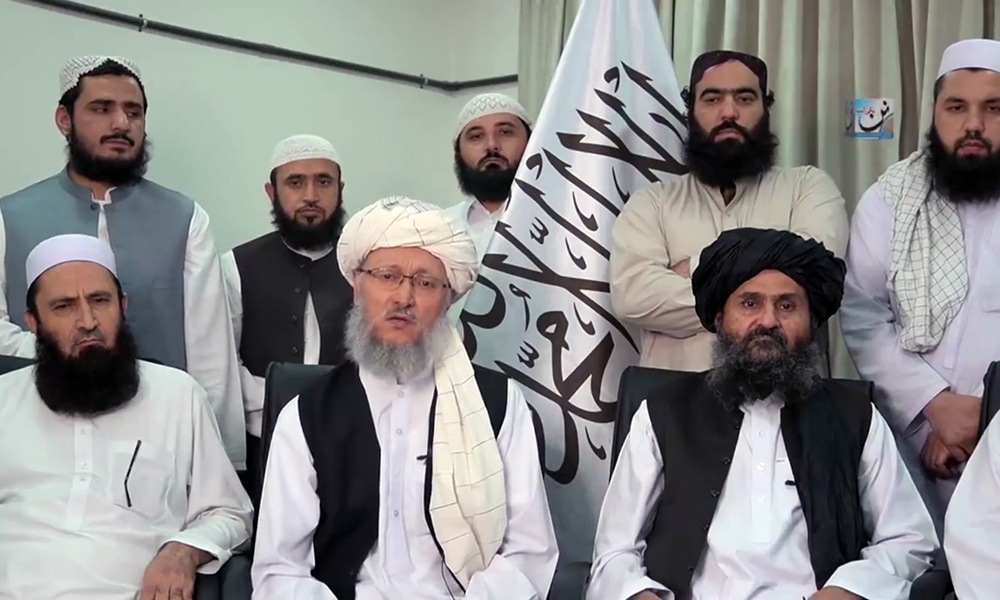
 Afghanistan International: In an open letter addressed to the special rapporteurs of the UN Human Rights Council, the activists said the Taliban administration has pursued policies that deliberately marginalise and suppress the use of Persian, one of Afghanistan’s two official languages. The letter raised concerns about what it described as linguistic and structural discrimination, accusing the Taliban of imposing Pashto across education, administration and other public spheres. The activists said these policies have deprived Persian speakers of equal participation, fair access to public services and social standing.